SurveyMonkey
Modernizing survey collection
My role
Design lead
Team
Product manager
Content designer
3 engineers
Timeline
2024 - 2025
Collect is how SurveyMonkey users distribute their surveys — via email, link, website, or Audience panels.
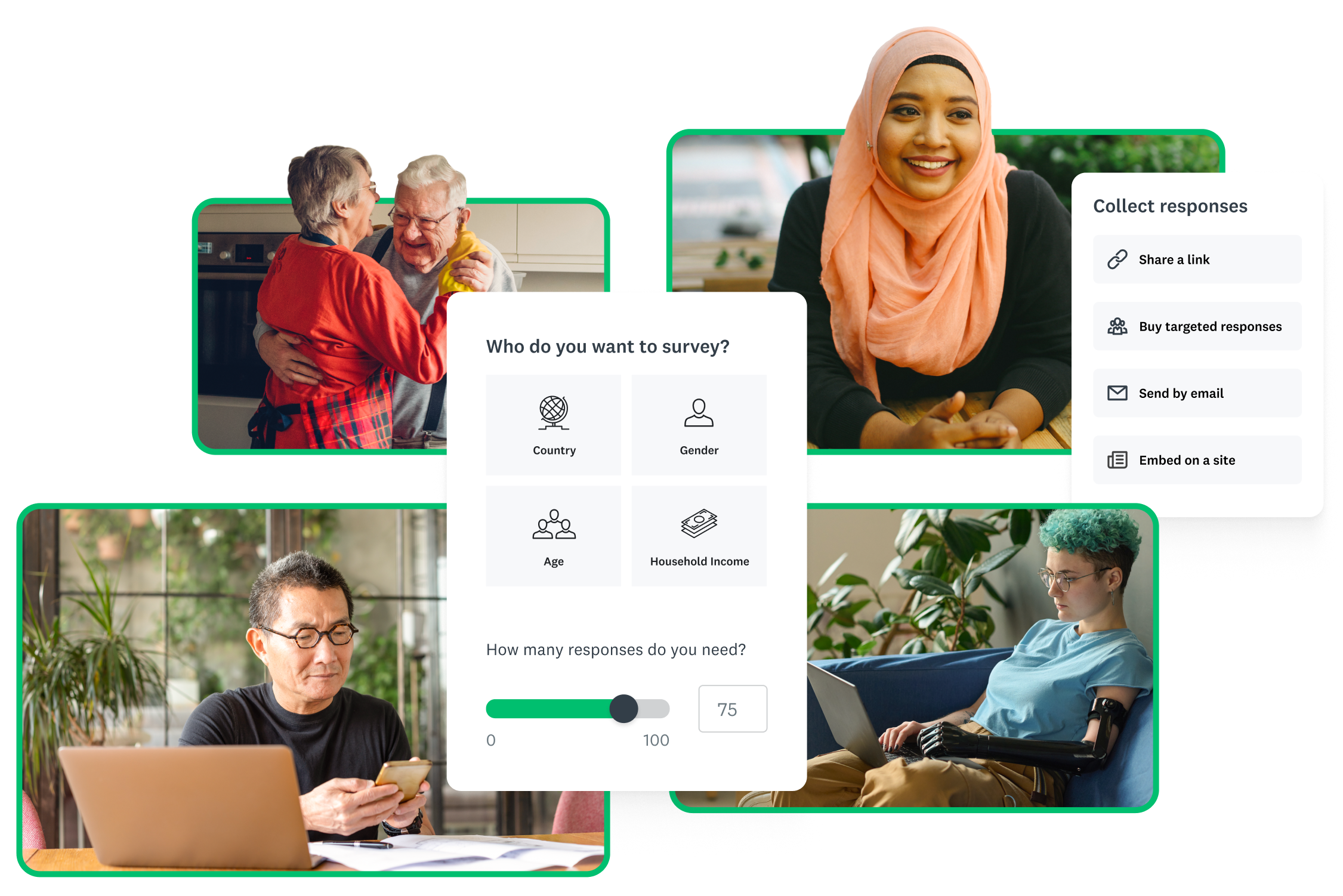
In 2025, I led the end-to-end modernization of the Collect experience, rethinking everything from zero state to individual collectors, while migrating to WDS, our modern design system.
+8%
Conversion improvement, Q2 2025
+20%
Audience conversion improvement, Q2 2025
-13%
Support case volume, Q2 2025
Design Principles
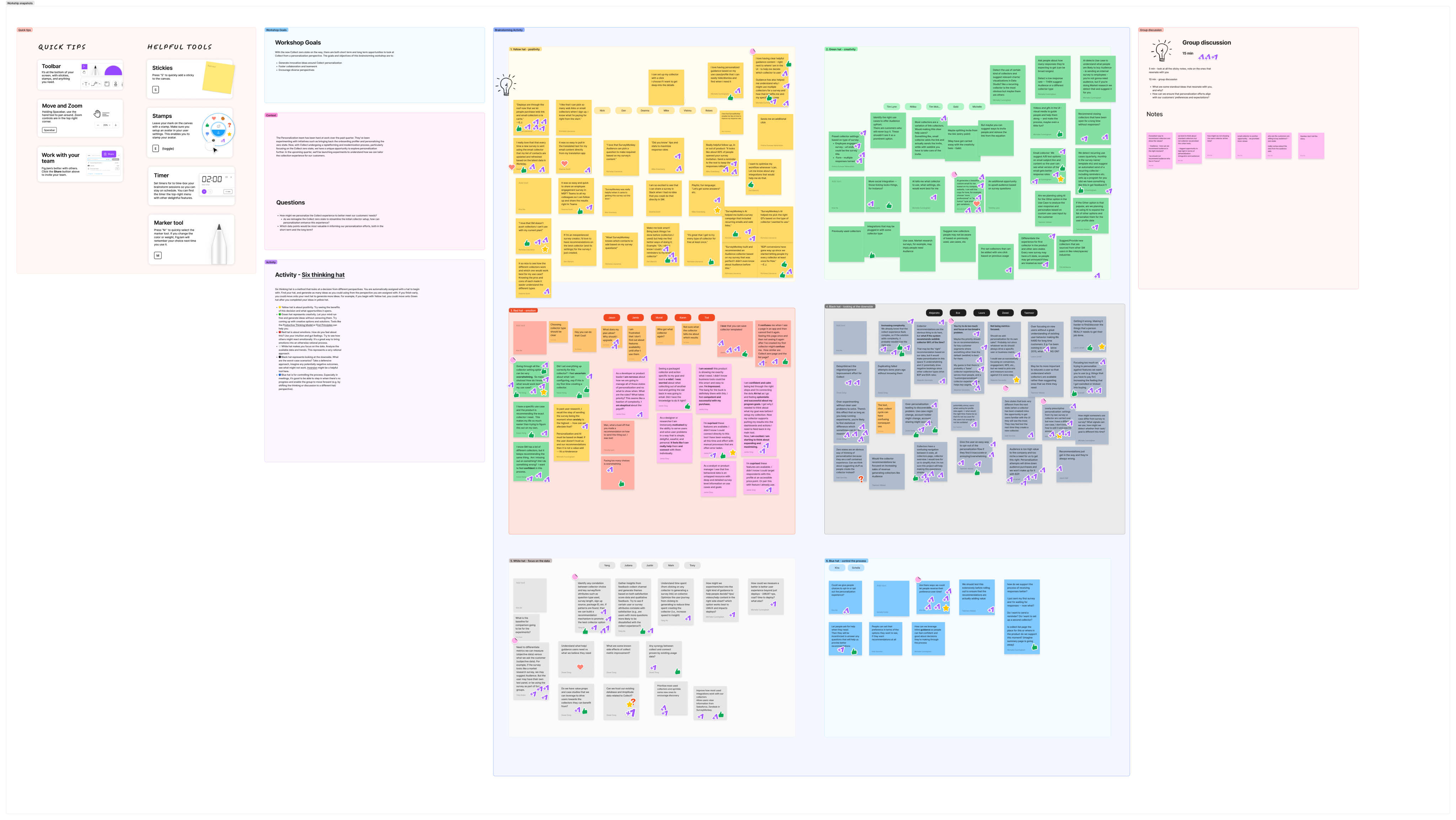
I gathered the team together in a design workshop to create design principles for Collect modernization. Using the six thinking hats method that looks at an initiative from different angles, we landed on four principles we’re quite proud of.
Design with future in mind
Start with a long-term vision and work backwards
Ensure each design decision scales across collector types
Consistency
Build reusable components and interaction patterns
Simplify and Delight
Simplify interactions, reduce cognitive load, and guide users as needed
Focus on Business-Critical Actions
Prioritize the most common user tasks (e.g., sharing a survey link)
These principles provided the groundwork for me to start exploring the future of Collect. I put together a one-year vision outlining the desired end state for Collect modernization. Then I worked with the PM and EM to break that vision into a series of projects we could ship one-by-one. We made zero state redesign as our first focus.
The Process
The old collect zero state page featured two large cards: “Send survey your way” and “Audience,” but most users only used the first. Users had to take four steps just to get a survey link, their most common sharing method. Not only did it increase cognitive load, the UI felt outdated and untrustworthy.
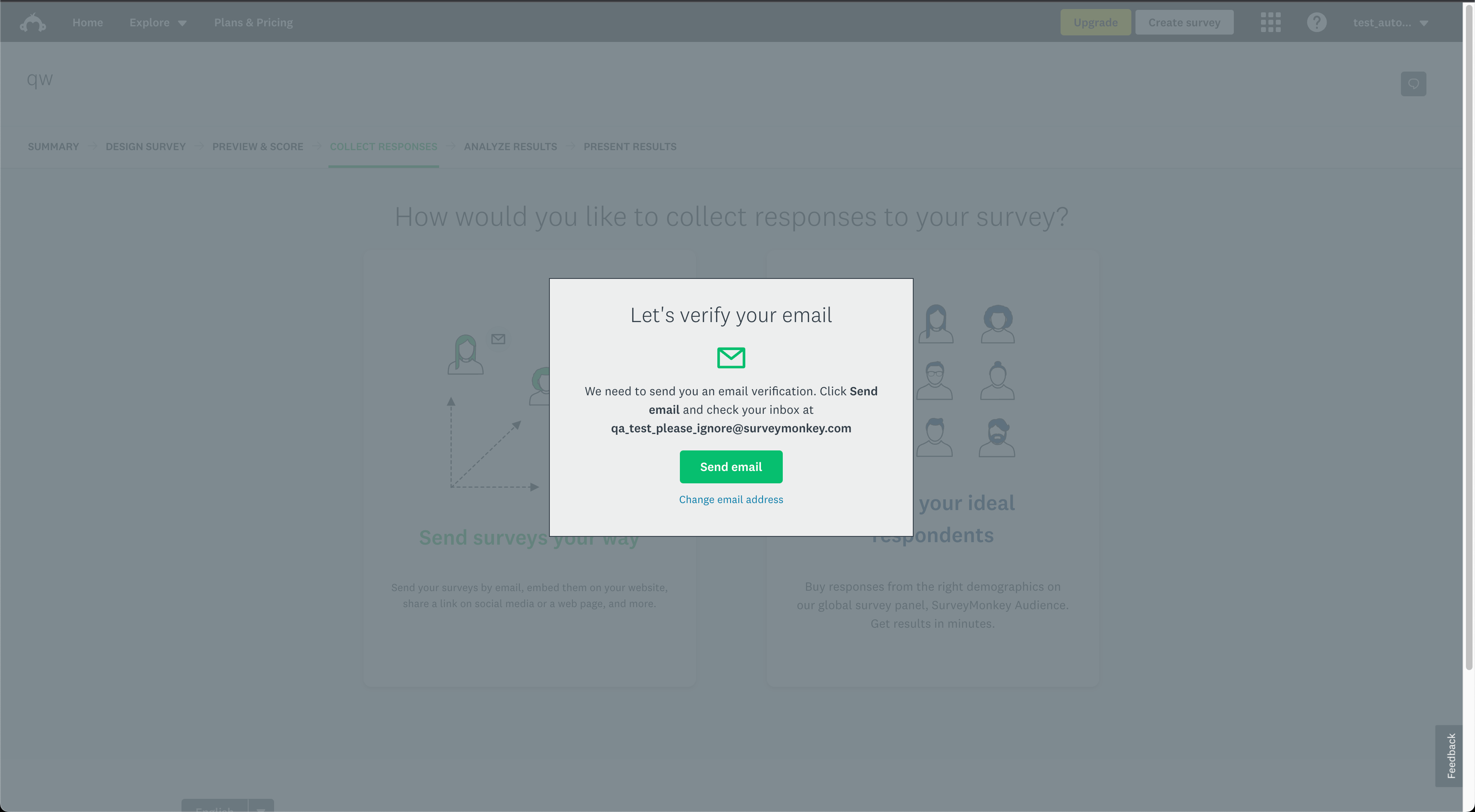
Email verification
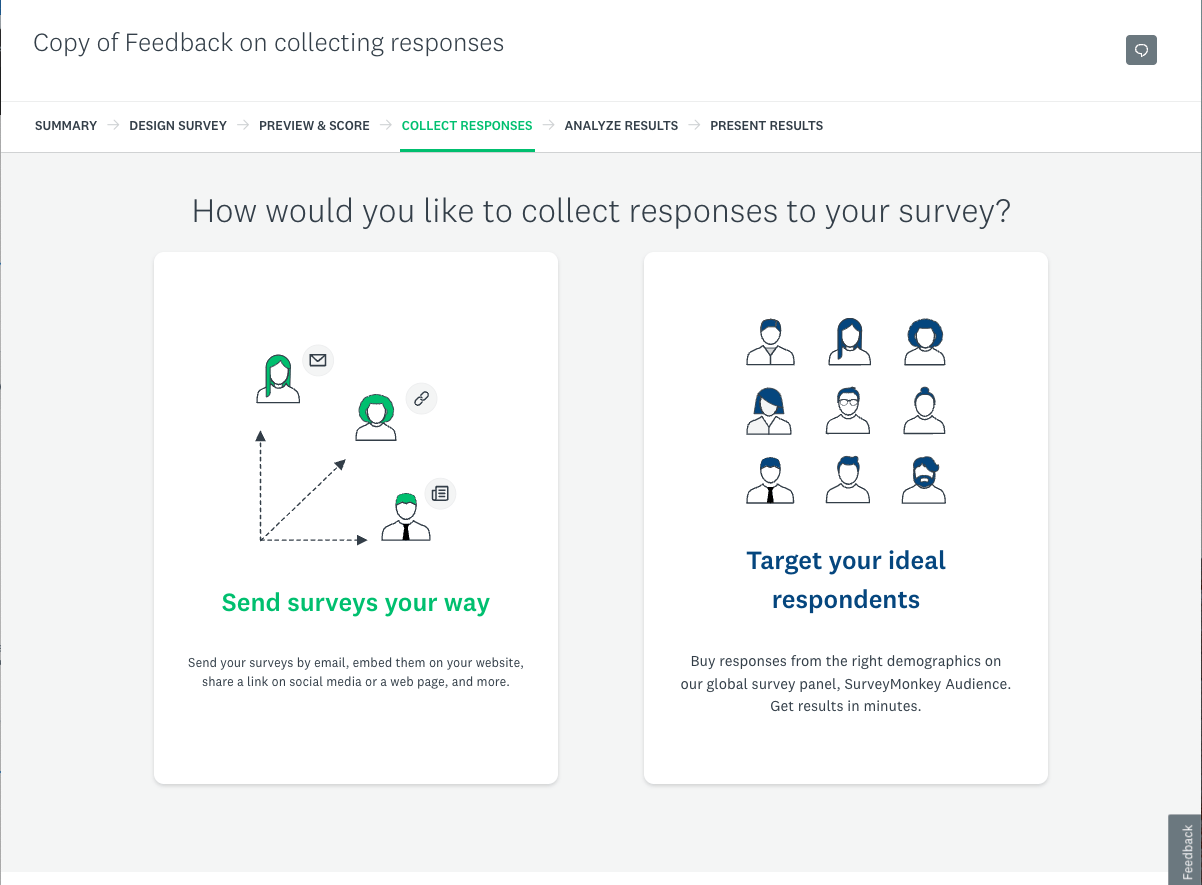
Two-tile page
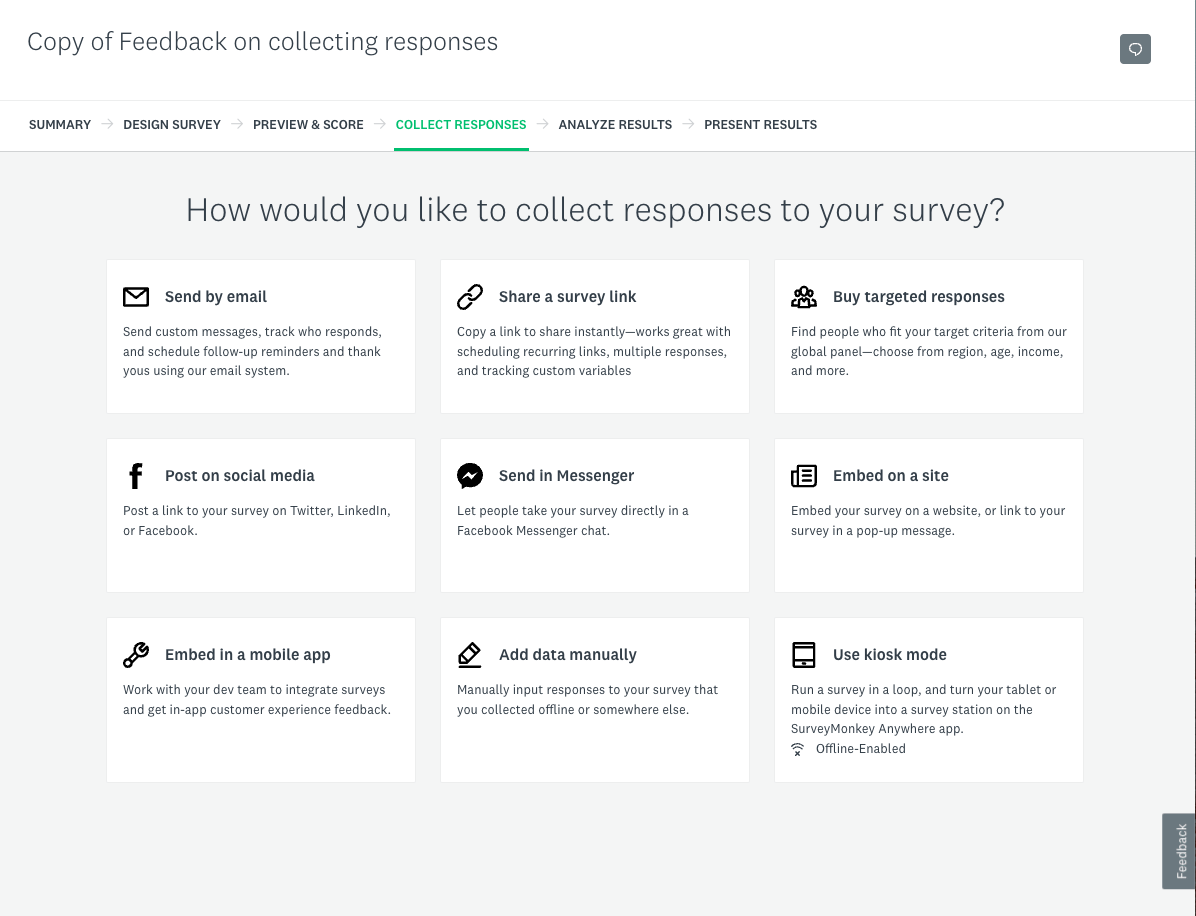
Select a collector type
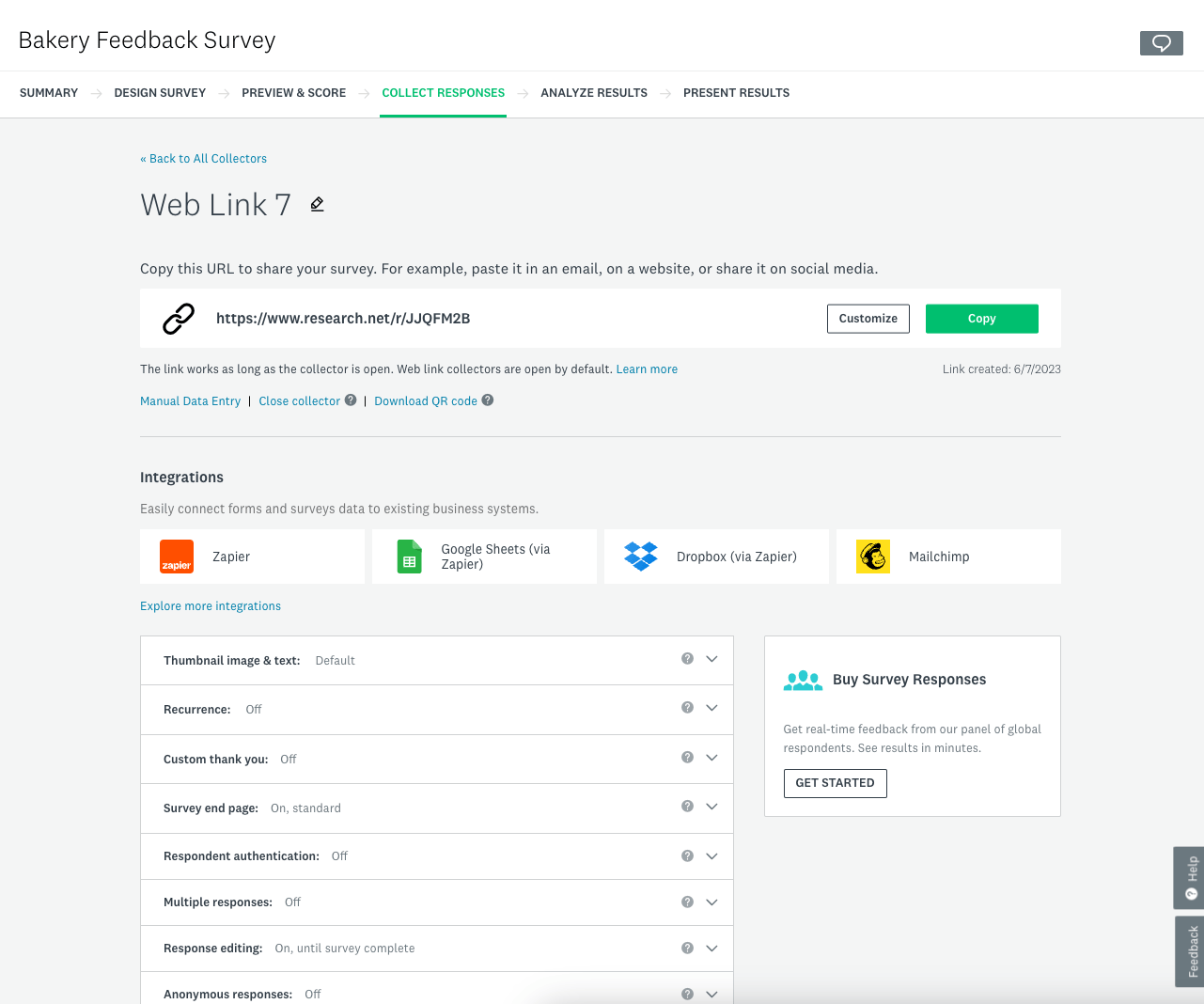
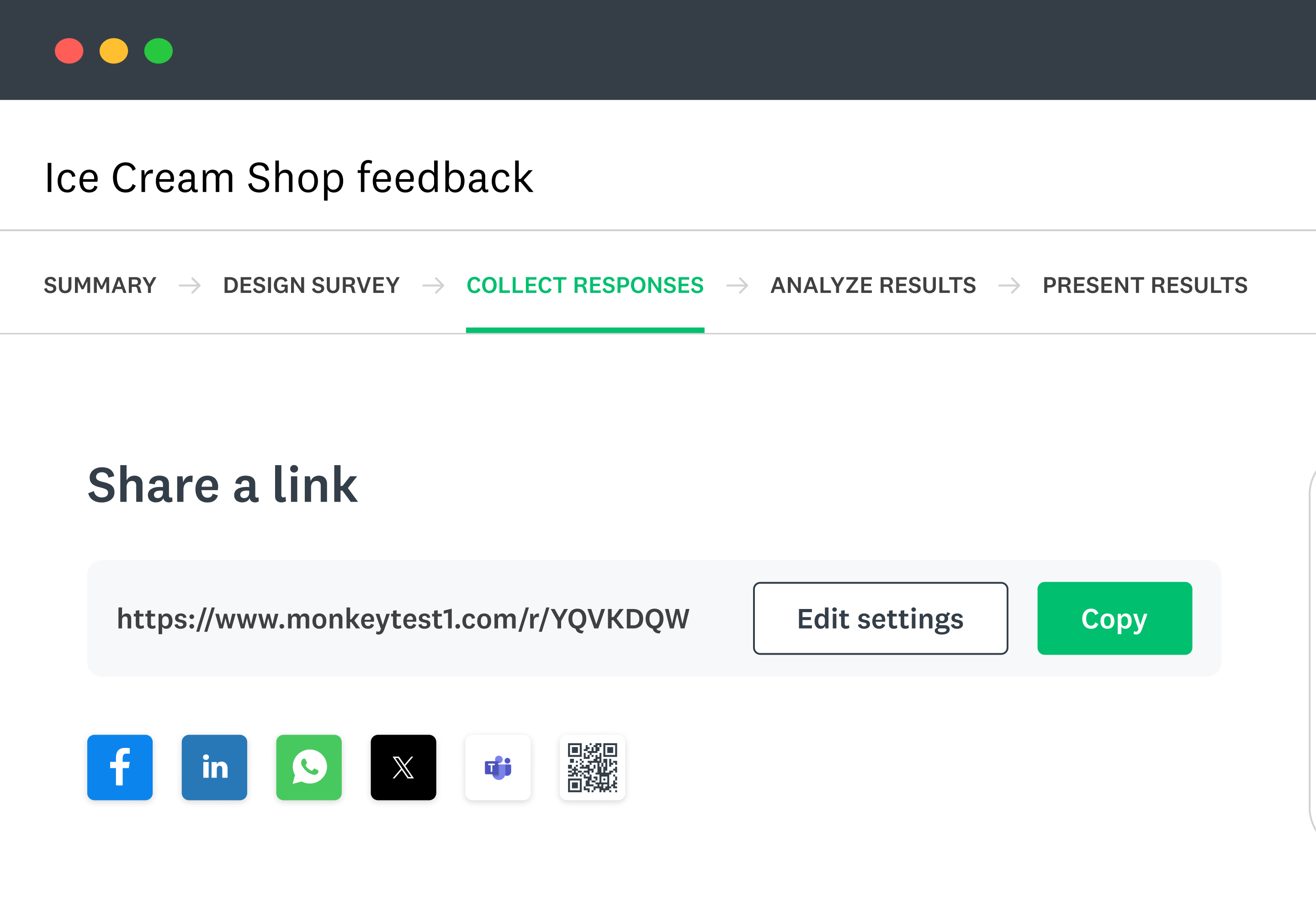
Get a shareable link
With the new design principles in mind, I prioritized “share a link” upfront, reduced activation steps from 4 to 1.
#Simplify and Delight
#Focus on Business-Critical Actions
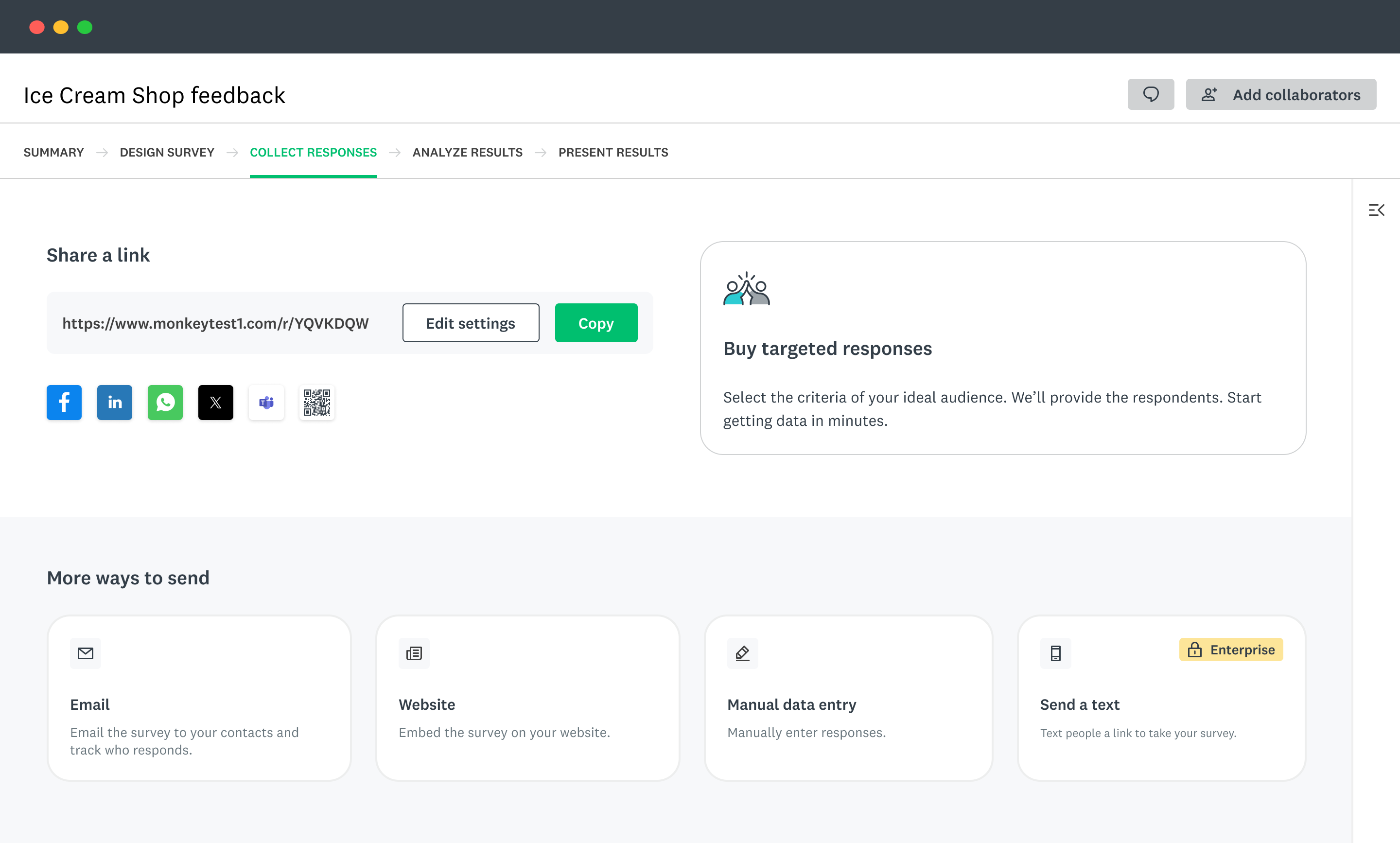
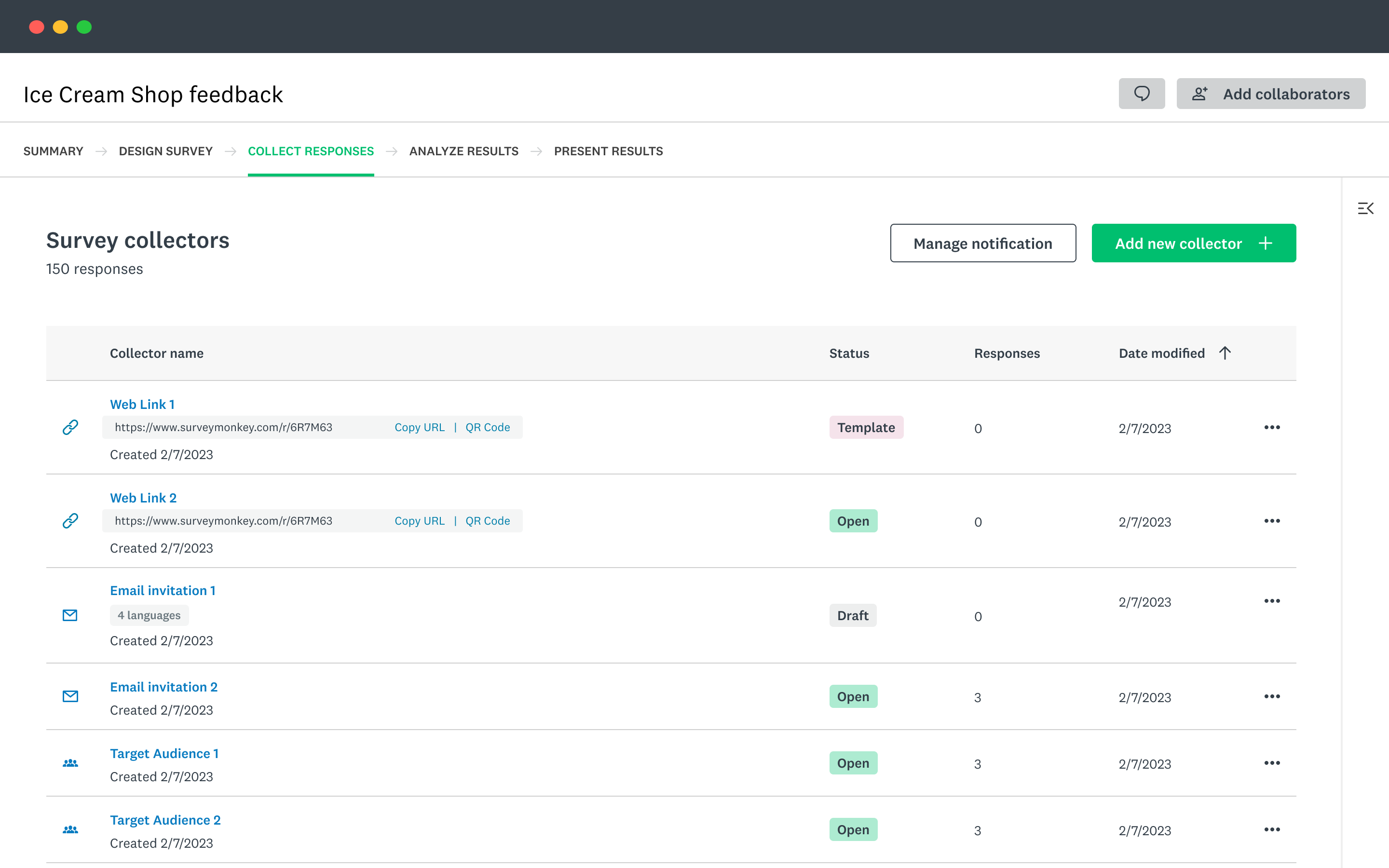
Next up, it became clear that the rest of the Collect space still reflected legacy design patterns. To ensure a consistent experience, I zoomed out and evaluated the entire suite of pages. With engineers’ buy-in, this led to a broader initiative: migrating multiple key moments — including the collector list, the default email template, and the website collection page — from the legacy design library to our modern WDS framework.
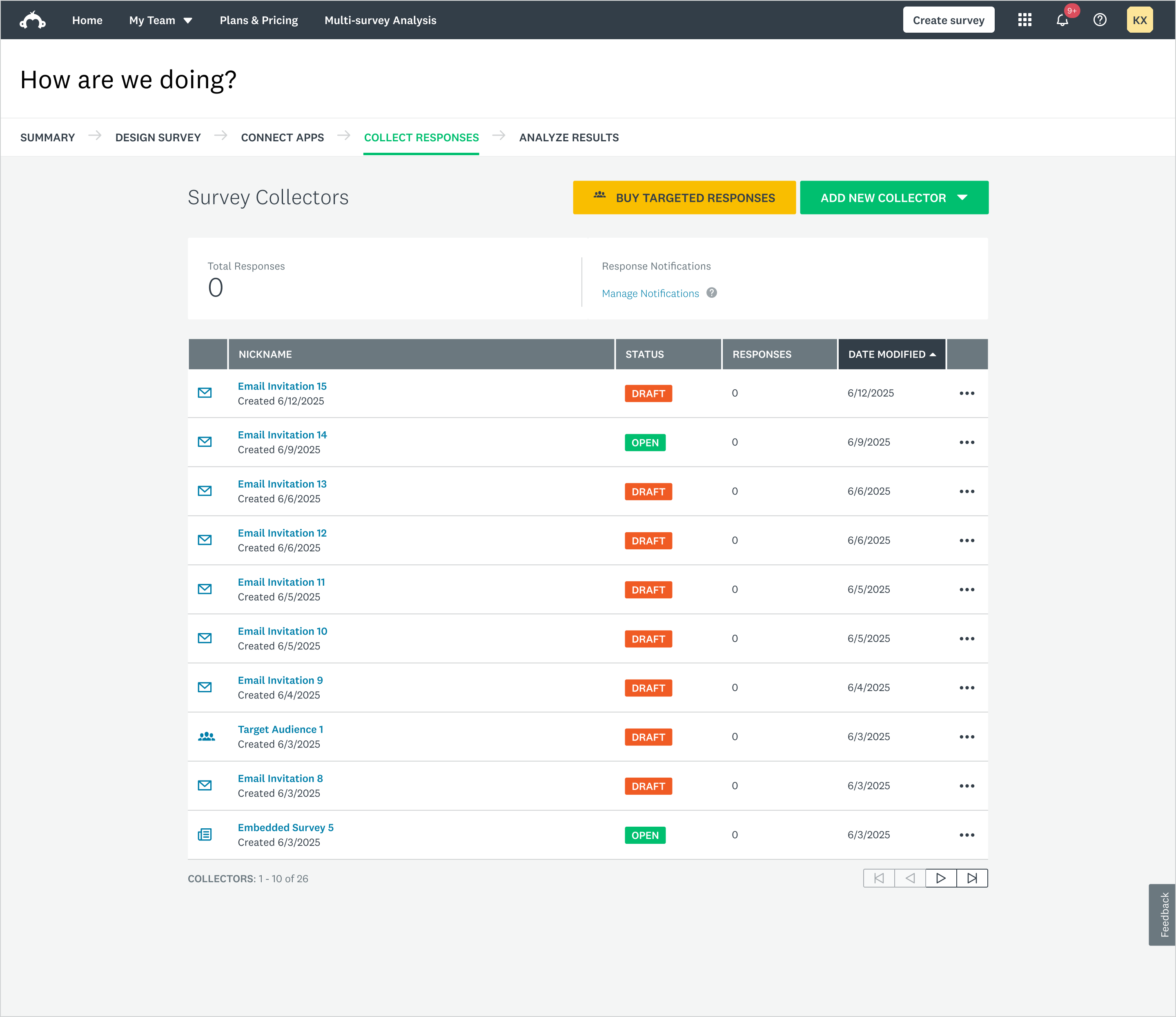
Cluttered collectors list
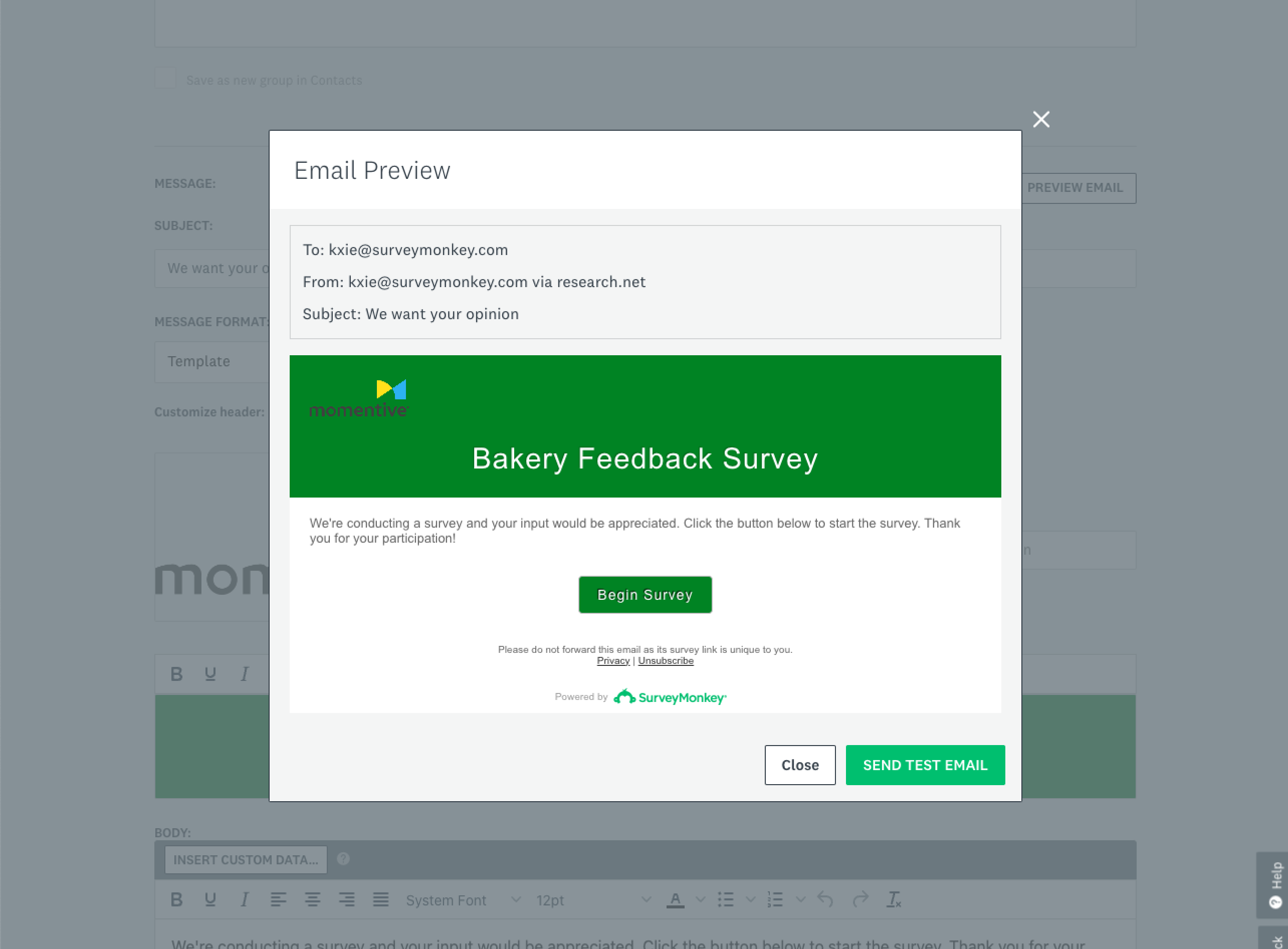
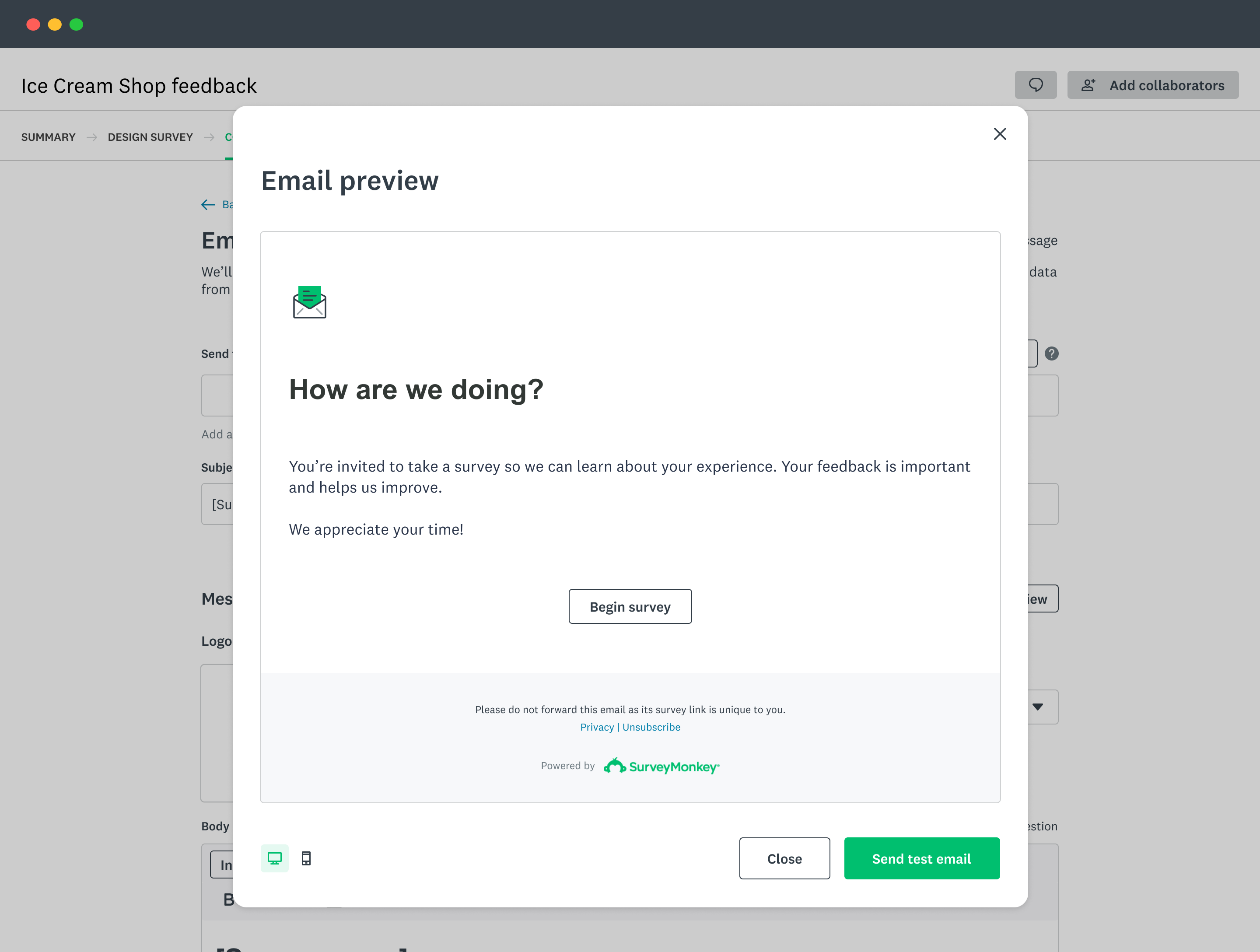
Legacy templates felt outdated and spammy
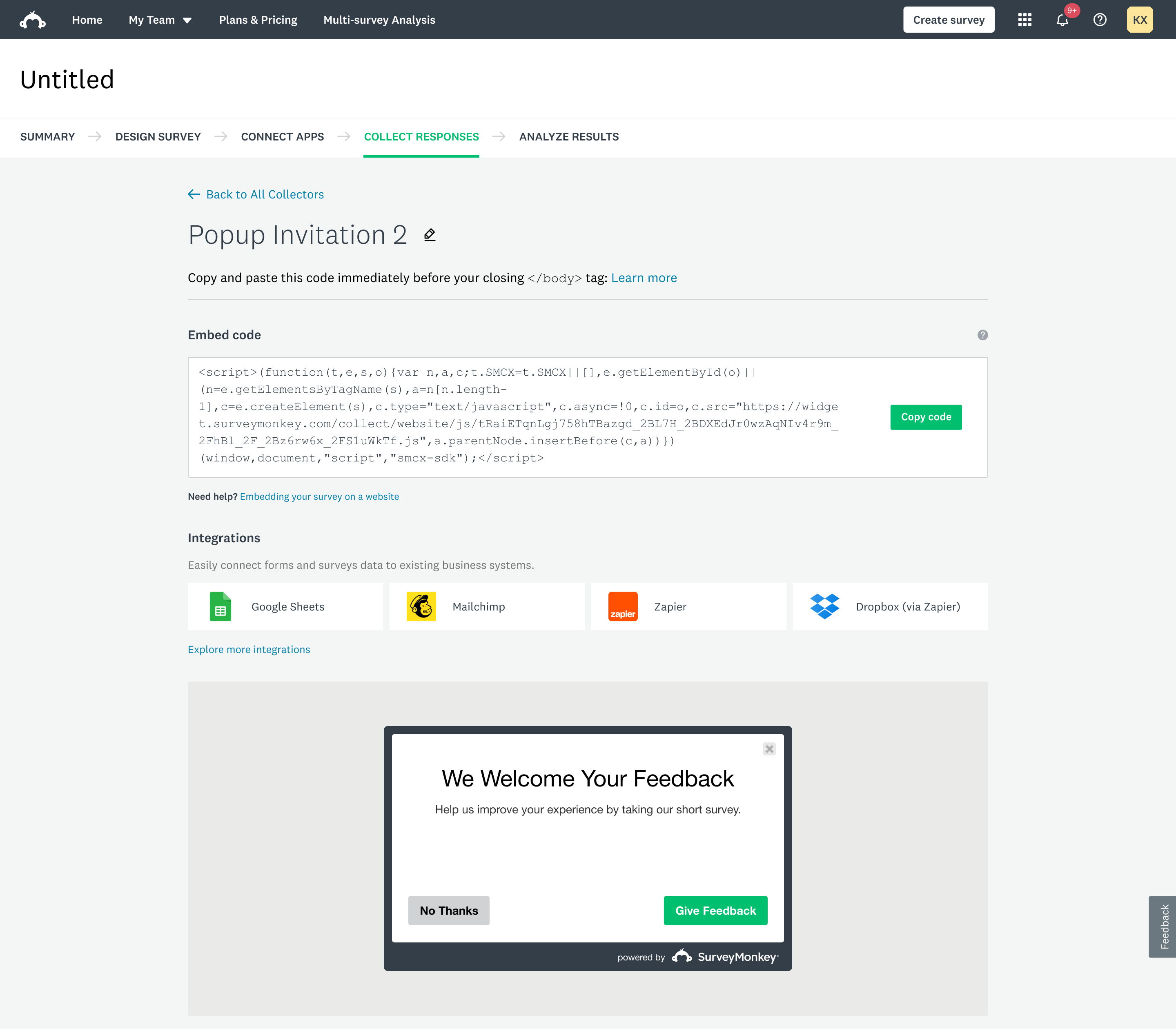
Legacy website collector page
New list: Reorganized table layout, unified CTAs, scalable patterns
#Design with Future in Mind
#Consistency
#Simplify and Delight
New email template: Modern typography, spacing, colors, and live preview
#Simplify and Delight
#Focus on Business-Critical Actions
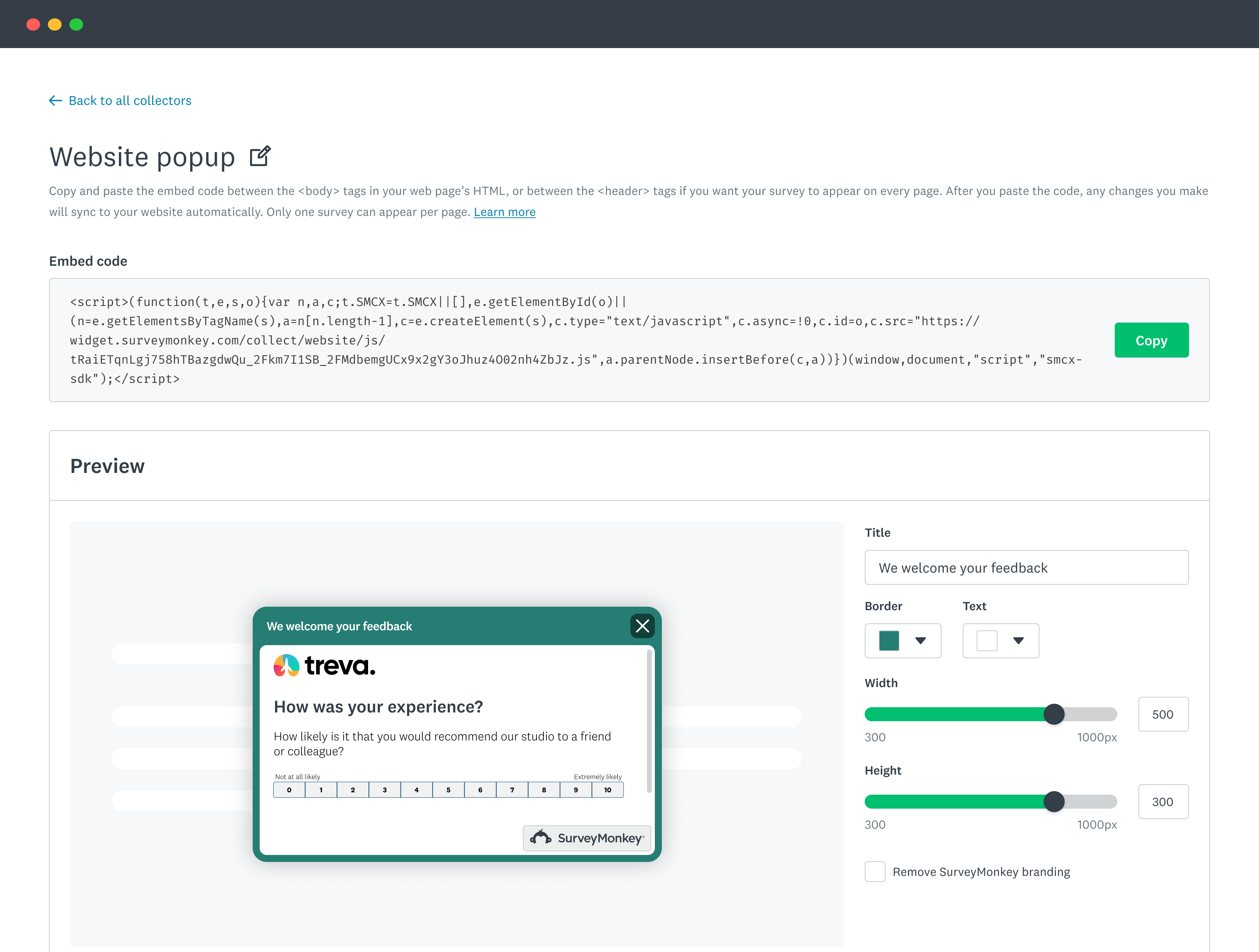
New website collector page: Side by side, real time editing
#Simplify and Delight
#Focus on Business-Critical Actions
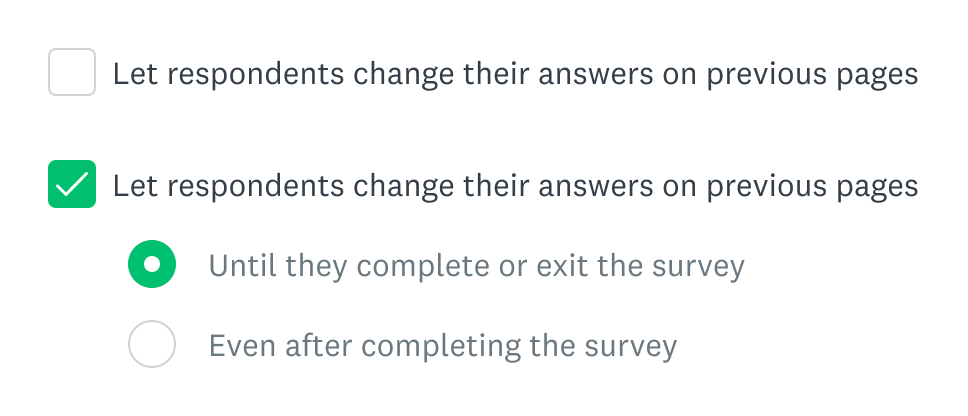
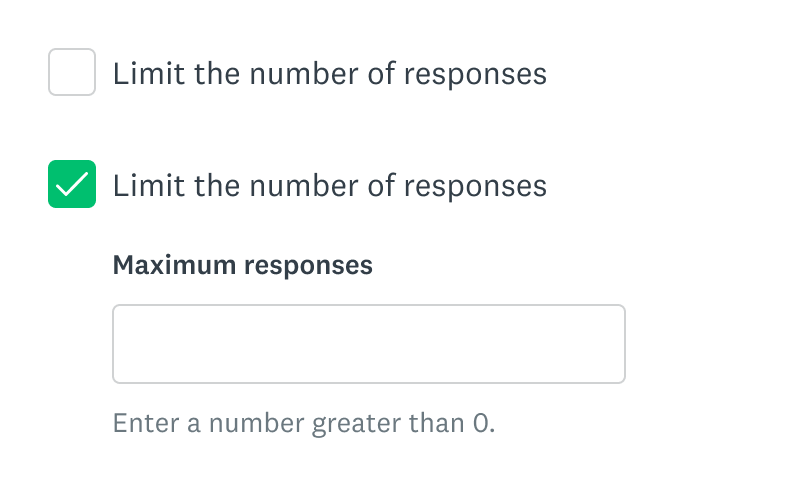
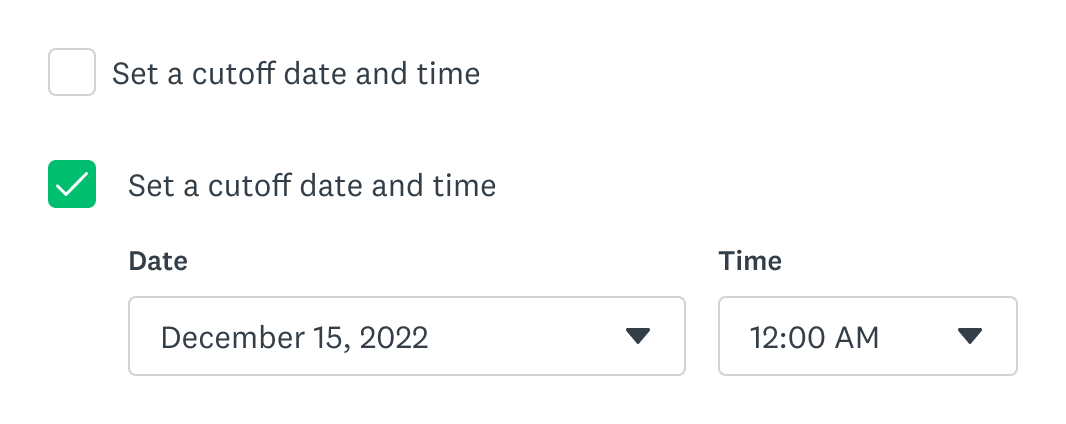
Once the high-level pages were updated, we zoomed back in to focus on finer-grained patterns, particularly around settings. Users had struggled with the accordion style, so we redesigned settings across collector types with clarity, guidance, and reusable patterns in mind.
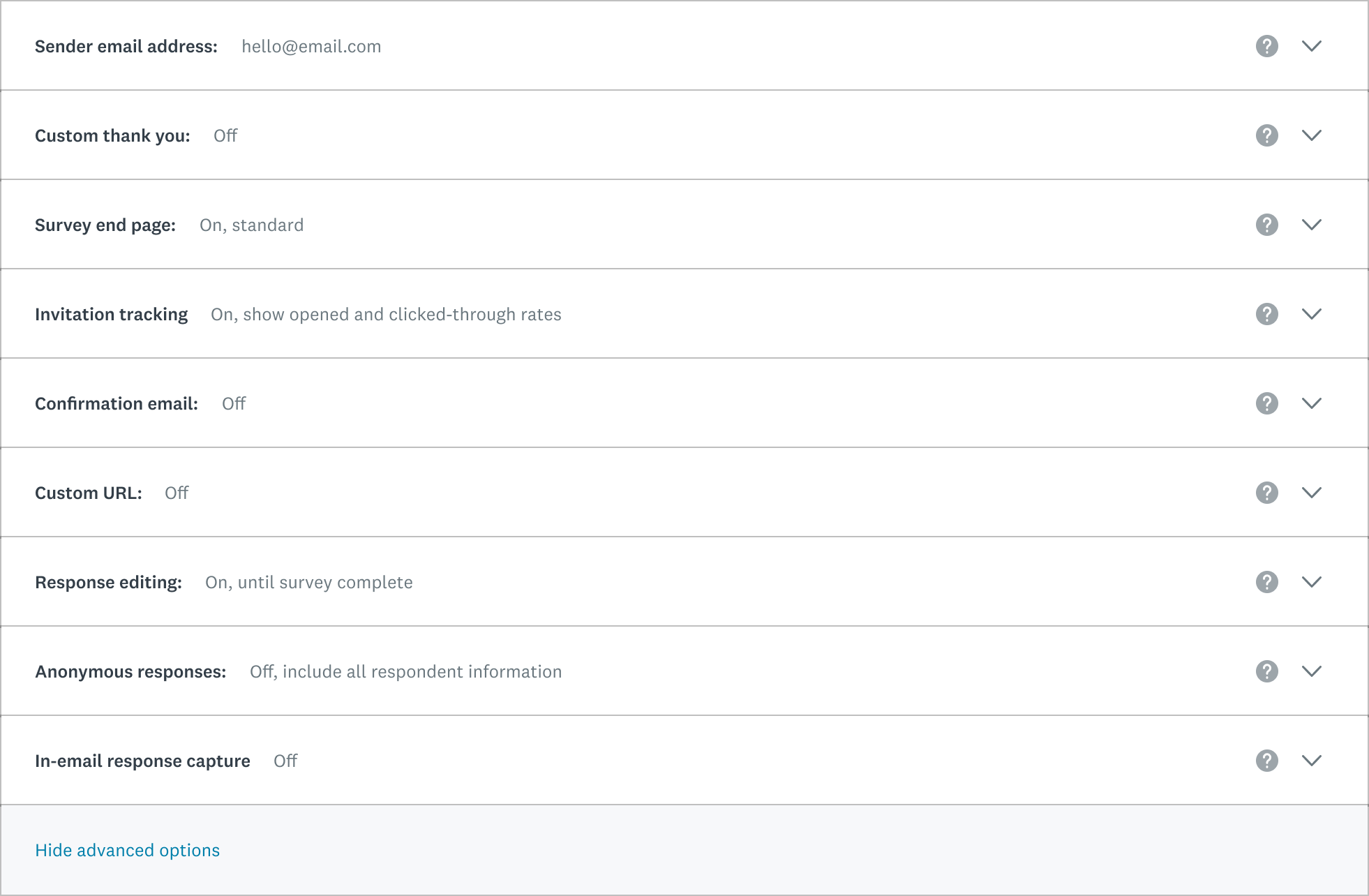
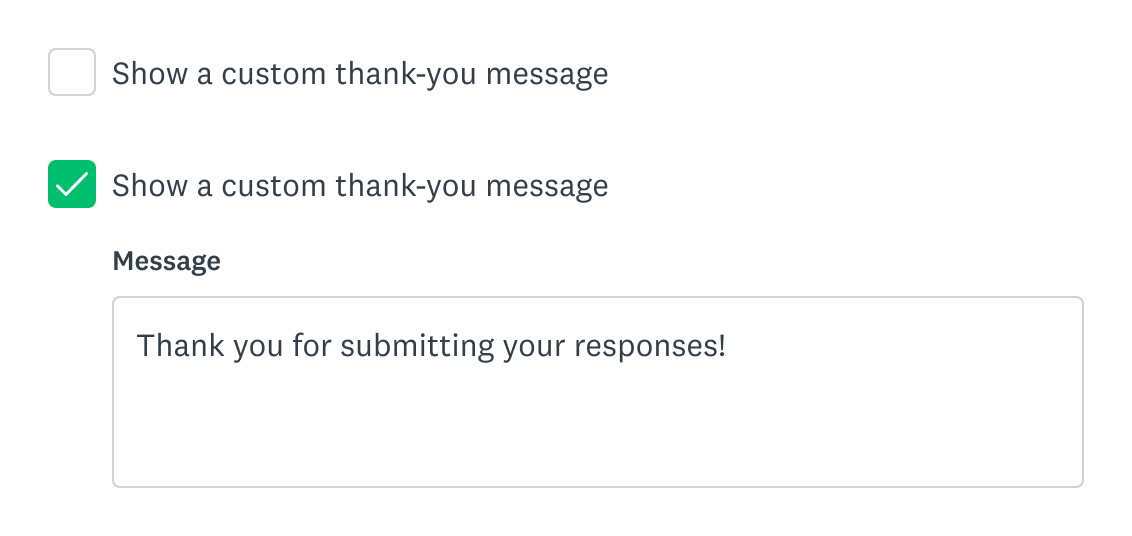
New settings patterns: Users can enable or disable a setting with one click, without the need to expand the accordion
#Simplify and Delight
#Consistency
#Simplify and Delight
Key learnings
One of the most important lessons I took from this project is how to strategically zoom in and out. Modernizing Collect required both a bird’s-eye view to unify the experience and a detailed focus to refine the patterns that make daily interactions effortless. Balancing these perspectives allowed me to create an experience that is both functional and delightful.
Made with 🤍 in Toronto
© Kira Xie 2025 All Rights Reserved
SurveyMonkey
Modernizing survey collection
My role
Design lead
Team
Product manager
Content designer
3 engineers
Timeline
2024 - 2025
Collect is how SurveyMonkey users distribute their surveys — via email, link, website, or Audience panels.
In 2025, I led the end-to-end modernization of the Collect experience, rethinking everything from zero state to individual collectors, while migrating to WDS, our modern design system.
+8%
Conversion improvement, Q2 2025
+20%
Audience conversion improvement, Q2 2025
-13%
Support case volume, Q2 2025
Design Principles
I gathered the team together in a design workshop to create design principles for Collect modernization. Using the six thinking hats method that looks at an initiative from different angles, we landed on four principles we’re quite proud of.
Design with future in mind
Start with a long-term vision and work backwards
Ensure each design decision scales across collector types
Consistency
Build reusable components and interaction patterns
Simplify and Delight
Simplify interactions, reduce cognitive load, and guide users as needed
Focus on Business-Critical Actions
Prioritize the most common user tasks (e.g., sharing a survey link)
These principles provided the groundwork for me to start exploring the future of Collect. I put together a one-year vision outlining the desired end state for Collect modernization. Then I worked with the PM and EM to break that vision into a series of projects we could ship one-by-one. We made zero state redesign as our first focus.
The Process
The old collect zero state page featured two large cards: “Send survey your way” and “Audience,” but most users only used the first. Users had to take four steps just to get a survey link, their most common sharing method. Not only did it increase cognitive load, the UI felt outdated and untrustworthy.
Email verification
Two-tile page
Select a collector type
Get a shareable link
With the new design principles in mind, I prioritized “share a link” upfront, reduced activation steps from 4 to 1.
#Simplify and Delight
#Focus on Business-Critical Actions
Next up, it became clear that the rest of the Collect space still reflected legacy design patterns. To ensure a consistent experience, I zoomed out and evaluated the entire suite of pages. With engineers’ buy-in, this led to a broader initiative: migrating multiple key moments — including the collector list, the default email template, and the website collection page — from the legacy design library to our modern WDS framework.
Cluttered collectors list
Legacy templates felt outdated and spammy
Legacy website collector page
New list: Reorganized table layout, unified CTAs, scalable patterns
#Design with Future in Mind
#Consistency
#Simplify and Delight
New email template: Modern typography, spacing, colors, and live preview
#Simplify and Delight
#Focus on Business-Critical Actions
New website collector page: Side by side, real time editing
#Simplify and Delight
#Focus on Business-Critical Actions
Once the high-level pages were updated, we zoomed back in to focus on finer-grained patterns, particularly around settings. Users had struggled with the accordion style, so we redesigned settings across collector types with clarity, guidance, and reusable patterns in mind.
New settings patterns: Users can enable or disable a setting with one click, without the need to expand the accordion
#Simplify and Delight
#Consistency
#Simplify and Delight
Key learnings
One of the most important lessons I took from this project is how to strategically zoom in and out. Modernizing Collect required both a bird’s-eye view to unify the experience and a detailed focus to refine the patterns that make daily interactions effortless. Balancing these perspectives allowed me to create an experience that is both functional and delightful.
Made with 🤍 in Toronto
© Kira Xie 2025 All Rights Reserved
SurveyMonkey
Modernizing survey collection
My role
Design lead
Team
Myself
Product manager
Content designer
3 engineers
Timeline
2024 - 2025
Collect is how SurveyMonkey users distribute their surveys — via email, link, website, or Audience panels.
In 2025, I led the end-to-end modernization of the Collect experience, rethinking everything from zero state to individual collectors, while migrating to WDS, our modern design system.
+8%
Conversion improvement, Q2 2025
+20%
Audience conversion improvement, Q2 2025
-13%
Support case volume, Q2 2025
Design Principles
I gathered the team together in a design workshop to create design principles for Collect modernization. Using the six thinking hats method that looks at an initiative from different angles, we landed on four principles we’re quite proud of.
Design with future in mind
Start with a long-term vision and work backwards
Ensure each design decision scales across collector types
Consistency
Build reusable components and interaction patterns
Simplify and Delight
Simplify interactions, reduce cognitive load, and guide users as needed
Focus on Business-Critical Actions
Prioritize the most common user tasks (e.g., sharing a survey link)
These principles provided the groundwork for me to start exploring the future of Collect. I put together a one-year vision outlining the desired end state for Collect modernization. Then I worked with the PM and EM to break that vision into a series of projects we could ship one-by-one. We made zero state redesign as our first focus.
The Process
The old collect zero state page featured two large cards: “Send survey your way” and “Audience,” but most users only used the first. Users had to take four steps just to get a survey link, their most common sharing method. Not only did it increase cognitive load, the UI felt outdated and untrustworthy.
Email verification
Two-tile page
Select a collector type
Get a shareable link
With the new design principles in mind, I prioritized “share a link” upfront, reduced activation steps from 4 to 1.
#Simplify and Delight
#Focus on Business-Critical Actions
Next up, it became clear that the rest of the Collect space still reflected legacy design patterns. To ensure a consistent experience, I zoomed out and evaluated the entire suite of pages. With engineers’ buy-in, this led to a broader initiative: migrating multiple key moments — including the collector list, the default email template, and the website collection page — from the legacy design library to our modern WDS framework.
Cluttered collectors list
Legacy templates felt outdated and spammy
Legacy website collector page
New list: Reorganized table layout, unified CTAs, scalable patterns
#Design with Future in Mind
#Consistency
#Simplify and Delight
New email template: Modern typography, spacing, colors, and live preview
#Simplify and Delight
#Focus on Business-Critical Actions
New website collector page: Side by side, real time editing
#Simplify and Delight
#Focus on Business-Critical Actions
Once the high-level pages were updated, we zoomed back in to focus on finer-grained patterns, particularly around settings. Users had struggled with the accordion style, so we redesigned settings across collector types with clarity, guidance, and reusable patterns in mind.
New settings patterns: Users can enable or disable a setting with one click, without the need to expand the accordion
#Simplify and Delight
#Consistency
#Simplify and Delight
Key learnings
One of the most important lessons I took from this project is how to strategically zoom in and out. Modernizing Collect required both a bird’s-eye view to unify the experience and a detailed focus to refine the patterns that make daily interactions effortless. Balancing these perspectives allowed me to create an experience that is both functional and delightful.
Made with 🤍 in Toronto
© Kira Xie 2025 All Rights Reserved